How to Build Work-From-Home Accountability That Sticks
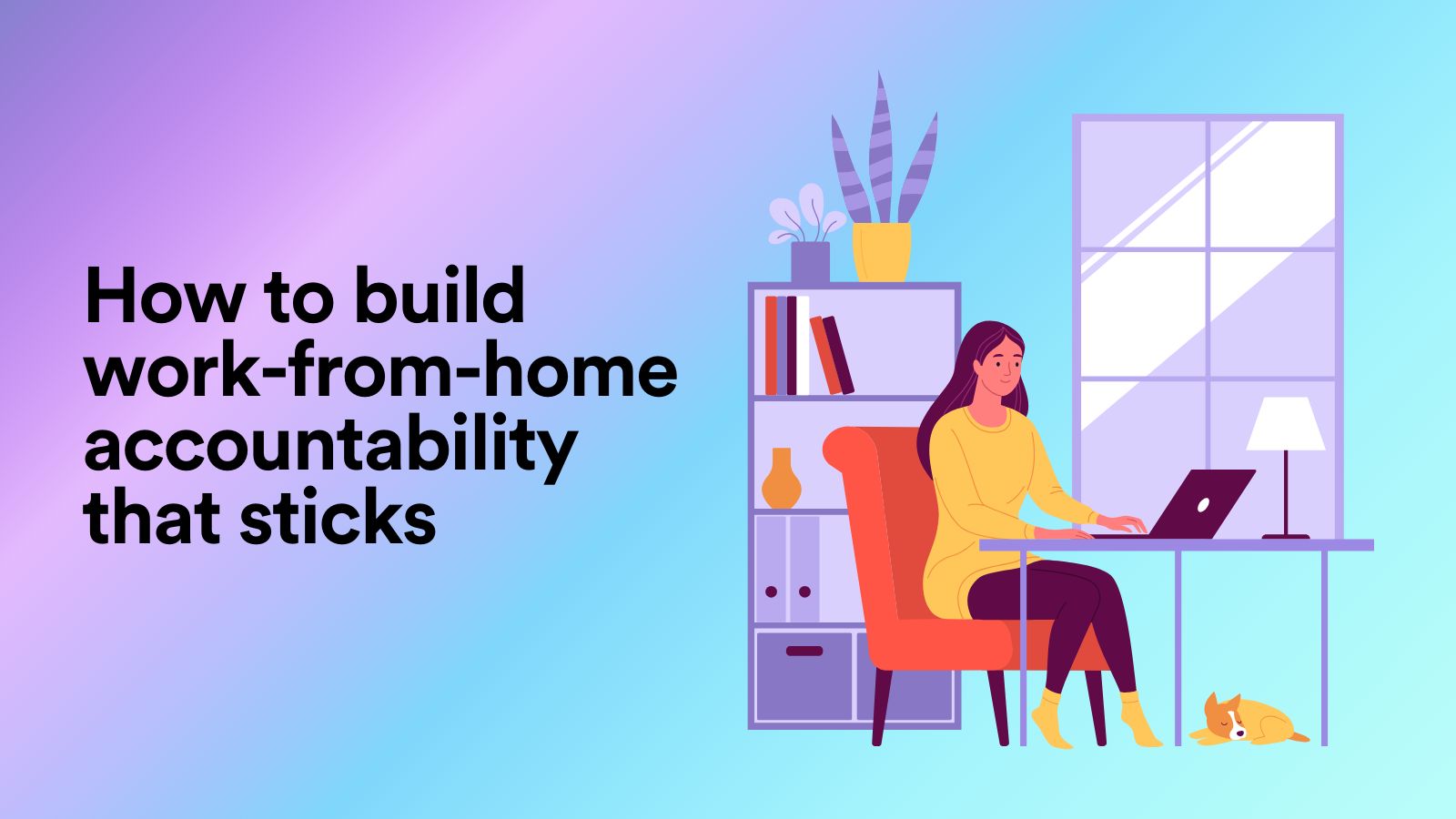
I love working from home. Not only does it give me space to juggle work and parenting, but it also gives me the necessary headspace to write and file copy. You try writing in a bustling newsroom or office; there’s only so much noise-cancelling headphones can do!
Although working from home offers flexibility, it also eliminates the inherent structure that fosters a sense of accountability. Routines and shared visibility keep everyone in the office on the same page. As such, both employees and independent workers must establish that structure at home, because it's all too easy for concentration, communication, and follow-through to falter.
These personal difficulties become team-wide issues as more cohorts work remotely. In response, managers frequently increase monitoring or check-ins, but surveillance doesn't exactly foster accountability – whereas trust and clarity do.
This article examines why work-from-home accountability is challenging, how it differs among teams, and what genuinely keeps people on the same page. Additionally, it examines how partners in digital accountability can promote visibility without sacrificing autonomy or privacy.
Key takeaways
- WFH eliminates inherent structure, which makes it simple for boundaries, focus, and follow-through to deteriorate in the absence of deliberate systems.
- Task drift, invisible progress, context switching, and the emotional burden of self-management are some of the particular accountability issues faced by freelancers.
- When visibility and clarity are compromised, remote teams suffer from misalignment, uneven workloads, communication gaps, and delayed decision-making.
- Instead of monitoring or micromanaging, effective remote management depends on trust, clarity, and outcome-based expectations.
- A robust WFH accountability system combines clear objectives, straightforward tracking, frequent reflection, optional sharing, and complete user control. It is lightweight, user-driven, and visibility-focused.

The realities of work‑from‑home accountability for freelancers
OK, so we’ve touched off the fact that working from home can be liberating, but my fellow freelancers, you know we’re all too aware of the hidden cost of autonomy. We need to take full responsibility for our own structure. As such, accountability becomes something you have to create rather than inherit. After all, you have no coworkers nearby, a manager popping their head over your cubicle, or the organic rhythm of an office. While I tend to view all of the aforementioned as a bonus, it can become tricky at times.
For example, freelancers deal with a particular combination of demands. For starters, there's the emotional strain of managing productivity without outside validation, juggling several clients on your own can prove tricky, and then there’s the ongoing need to self-motivate. When the lines between "work time" and "home time" become hazy, even highly disciplined individuals can find it difficult.
Here’s a list (I love lists) of some of the accountability issues I frequently face:
- Task drift: Consider this the unpredictable expansion or contraction of work in the absence of hard external deadlines.
- Invisible progress: Feeling like you're not doing enough or forgetting what you've actually accomplished is typical when no one is around to see your glorious efforts at work!
- Context switching: Attention fragmentation and decreased follow-through can be the result of managing several clients or projects effectively by yourself.
- Isolation: Who hasn’t felt their wane in the absence of social cues or shared momentum?
- Overwork masquerading as productivity: Burnout can sneak up on you when no one can see your hours.
For this reason, visibility is important. Just an honest, transparent picture of how time is spent, without any pressure or surveillance. As freelancers, we can modify our own patterns once they are able to see them. We can make better plans once we know how our hours are spent.
Additionally, we can advocate for ourselves with clients once we have documentation of our work. Accountability becomes more about awareness than it is about discipline.
Why accountability for remote workers can break down at the team level
When a lone freelancer finds it difficult to be accountable, that could be seen as a personal challenge. However, when an entire team faces these same difficulties, then that can become quite the operational issue. The natural visibility of an office – with the casual check-ins, overheard conversations, and an overall shared energy – is obviously lacking when working remotely.
What's left is a system that mainly depends on trust, routine communication, and clarity. If any of those components are missing or falter, then accountability all but collapses.
Below is a smattering of the most frequent causes of accountability failures across remote teams:
- Uncertain expectations: In the absence of clear definitions, remote teams can interpret "done," "urgent," and "priority" in their own way.
- Asynchronous misalignment: Time zone differences, flexible schedules, and disparate working styles can result in delays, even redundant work.
- Invisible workloads: When managers are unable to determine who is overworked or underutilized, resentment and unequal distribution can rear their respective heads.
- Communication gaps: Remote teams tend to use written comms (i.e., emails or Slack), which can be insufficient, delayed, or misunderstood due to tonal issues.
- Absence of shared rituals: I’m not just referring to bants around the water cooler; teams lose cohesiveness and general momentum when there are irregular check-ins or no overall workplace rhythm.
- Overcommunication fears: In remote settings, people can underreport advancements or obstacles because they’re reluctant to "bother" others.

Missed deadlines, inconsistent quality, delayed decision-making, and a general feeling of disconnection are all early signs of such a breakdown in accountability. However, inertia or disengagement is rarely the underlying cause. More often than not, it's a lack of visibility into people's workload, the challenges being experienced, and the progress (if any) being made.
Systems that foster mutual understanding without using surveillance are essential for teams. They require strategies that respect autonomy while highlighting advancements, outlining expectations, and preserving alignment. At the team level, accountability is about nurturing an environment where individuals can consistently rely on one another, not about exercising control.
Managing WFH employees without micromanaging or surveillance
Let’s be honest, a lot of remote team managers are concerned their workers aren't putting in as much effort as those who work onsite. However, the tendency to eyeball screens, track keystrokes, or require frequent check-ins can routinely backfire. Facts are facts: employee surveillance lowers morale, undermines trust, and encourages performative productivity over actual meaningful work.
So, if you’re a manager looking to support accountability for your remote team – without micromanaging – then consider focusing on the following:
- Transparent expectations and priorities: You need to clearly state your goals, the necessary due dates, and the required quality standards. Equally, ensure that everyone is aware of what is most important and why.
- Autonomy with structure: Much like the point above, you need to allow individuals to work as they see fit, but make it clear what their responsibilities are.
- Measurement-based outcomes: Shifting your mindset from hours of activity towards measurable outcomes can be a game-changer for managers and teams alike.
- Consistent communication: Share information and invite feedback predictably by using regular check-ins instead of sporadic interruptions.
- Psychological safety: Encourage people to identify obstacles early on without worrying about being judged.
Uncertainty is a common cause of micromanagement and, as a result, managers use control to compensate for a lack of visibility. A key distinction here is this: visibility need not equate to surveillance.
The most effective remote managers foster cultures where accountability is a shared exercise rather than enforced from on high. There is a reciprocal level of faith going on between managers and their teams working in remote settings. Instead of monitoring, such managers prioritise support, communication, and clarity. They also understand that people are inherently more responsible when they have a sense of control over their work…

A healthier approach to managing employees working from home
OK, so we’ve established that a sustainable remote work culture is built on shared accountability rather than top-down control. Employees need clarity, managers need visibility, and the organization needs consistency, but none of that necessitates invasive surveillance. A healthier approach must include mechanisms that make accountability feel natural rather than forced.
Important guidelines for effective remote management include:
- Common standards: Decide how the team works together, communicates, and escalates problems.
- Transparent workflows: Make use of tools that allow progress to be seen without requiring frequent updates.
- Flexible structure: Keep consistent touchpoints while letting employees work in ways that suit them.
- Supportive leadership: This scenario champions managers to serve as facilitators rather than supervisors.
- Respect boundaries: Promote rest periods, discourage excessive work, and set an example of optimum work behavior.
- Mutual accountability: All parties, including managers, pledge to be dependable and diligent.
The emotional aspects of working from home should also be recognized by healthy remote management. Individuals may experience feelings of loneliness, alienation, or uncertainty about the visibility of their work. By acknowledging effort, celebrating victories, and fostering casual connections, managers can combat this.
Concentrate on alignment rather than activity and communication rather than surveillance. Put more emphasis on trust than control. Employees are much more likely to take responsibility for their work and are much less likely to conceal issues or disengage when they feel trusted and supported.
From accountability logs to digital partners: choosing a WFH accountability system that works
The bottom line is this: systems of accountability don't have to be strict, intrusive, or a time suck. Actually, the most successful ones are user-driven, adaptable, and super straightforward.
Whether it's a daily checklist, a time-tracking habit that works for you (as in it doesn’t add to your workload), or a brief reflection at the end of the day, a work-from-home accountability log can help people stay grounded and conscious of their progress.
However, logs by themselves necessitate self-control and are (somewhat ironically) often the first thing to get chucked aside when workloads increase.
Digital accountability partners can help with that. And that doesn’t necessarily mean you need to go cap in hand to a mentor or coworker. There are digital tools to facilitate visibility without necessitating continuous manual labor. Without monitoring or – let’s face it – borderline coercion, they help freelancers and teams alike to comprehend how time is spent. How? By helping you to spot those key patterns/trends. This is the data you need to make meaningful changes.
Again, typically, a robust WFH accountability system consists of:
- Clear goals: You and/or your team should know from the outset what needs to be done and why it matters.
- Lightweight tracking: By that, I mean a non-invasive log or tool that captures progress without adding friction.
- Regular reflection: A routine moment to review what worked and what didn’t work. Without this, tracking isn’t working to its full potential.
- Optional sharing: The ability to share insights with a manager or team – when it’s helpful.
- User control: Individuals decide exactly what to track and, moreover, what to disclose.
You know what I’m going to say here… Memtime is a perfect fit here! As a digital work-from-home accountability log, it discreetly chronicles your computer activity to assist you in understanding your own workflow, rather than to keep an eye on you. It gives you complete control over your data, operates in the background, and doesn't require human input.
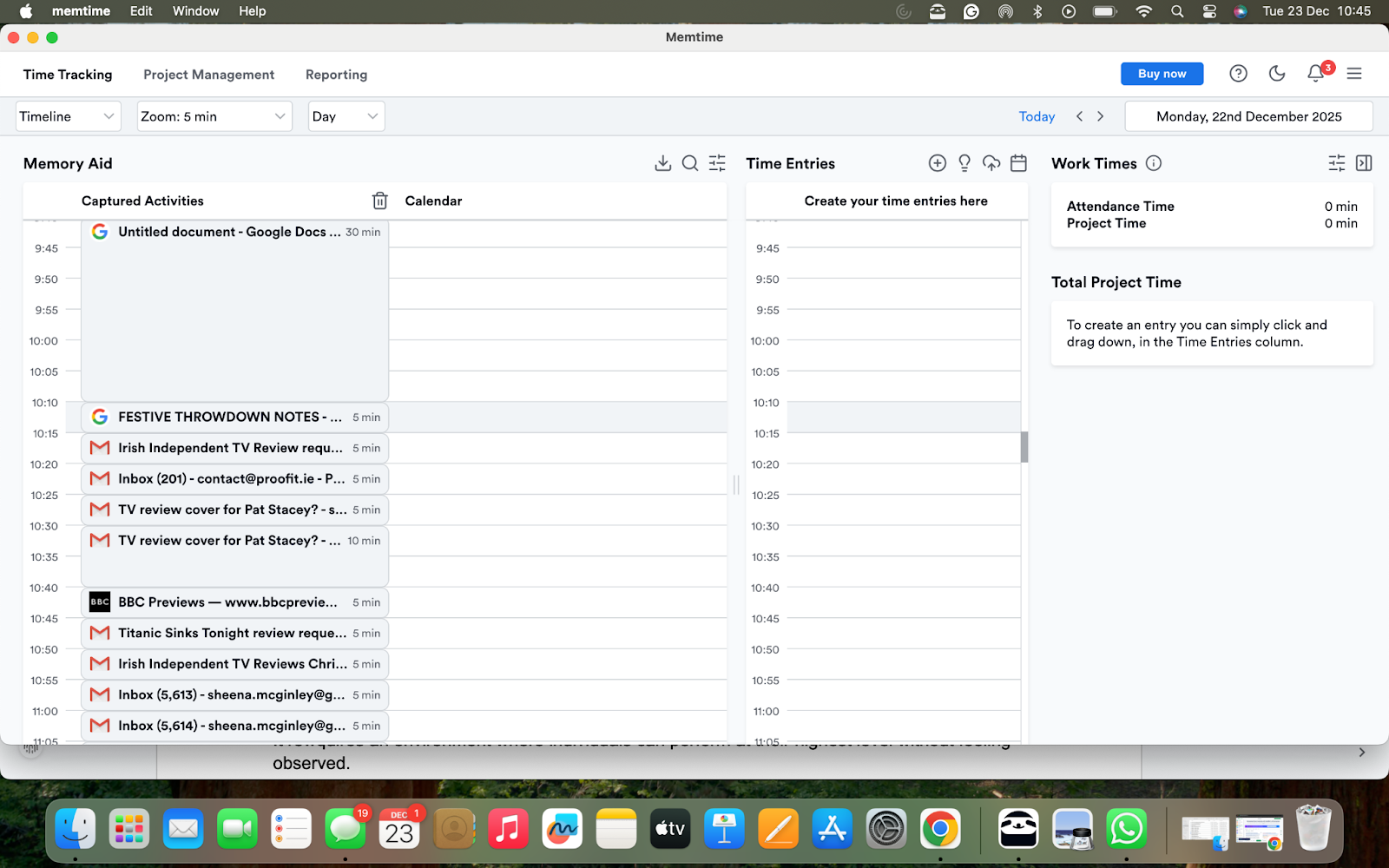
By allowing users to see their own work habits, Memtime promotes accountability. Without Rockwell’s Somebody’s Watching Me pealing in your ears, or that of your team, it improves communication, empowers individuals, and keeps remote workers in sync. Trust, not control, is the foundation of accountability.
FAQs
What is the impact of working from home on daily productivity?
Unless employees consciously create their own routines, WFH eliminates the natural cues and structure of an office, which can result in task drift, blurred boundaries, and inconsistent focus.
What obstacles must independent contractors overcome to maintain accountability?
Invisible progress, context switching, and creeping overwork can result from freelancers' frequent juggling of several clients, lack of external validation, and need to self-manage their workload.
What makes it difficult for remote teams to maintain alignment?
Delays, redundant work, and an unequal distribution of responsibilities can result from misaligned expectations, asynchronous schedules, and a lack of visibility into workloads.
Which management techniques help remote teams be more accountable?
Supervisors who place a high priority on psychological safety, outcome-based goals, clarity, and predictable communication foster environments where accountability increases without micromanagement.
How can work-from-home accountability be supported by digital tools?
Individuals and teams can maintain visibility, enhance planning, and stay in sync with lightweight, user-controlled tools that reveal patterns and progress without surveillance.

Sheena McGinley
Sheena McGinley is a columnist and features writer for the Irish press since 2008. She’s also a business owner that is conscious of how time tracking can foster progress. She wrote for SaaS companies and businesses that specialize in revenue optimization by implementing processes. She has the unique ability to digest complex topics and make them easy to understand. She shares this precious skill with Memtime readers. When she's not making words work for people, Sheena can be found taking (very) brisk dips in the Irish Sea.